If you’ve ever come home after a long day with aching feet or swollen ankles, you’re not alone. Millions of people experience daily foot pain — whether from standing too long, athletic activity, or underlying conditions like plantar fasciitis or neuropathy. That’s where EMS foot massager comes in.
EMS — or Electrical Muscle Stimulation — has long been used in physical therapy and sports recovery. Now, it’s more accessible than ever through at-home foot massager mats and pads that claim to relieve pain, boost circulation, and relax tired muscles.
Content
What Is an EMS Foot Massager?
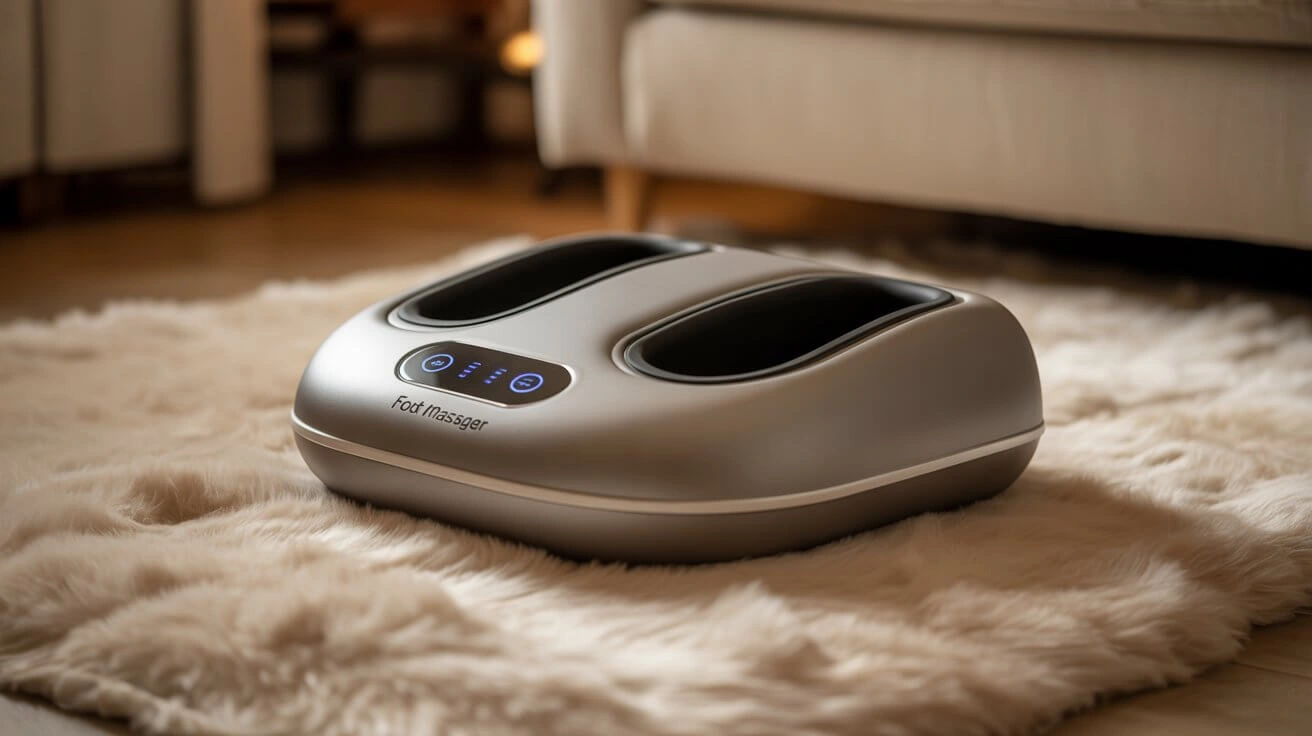
An EMS foot massager is a flat device — usually a mat or pad — that you rest your feet on while it delivers mild electric pulses. These pulses mimic the body’s natural electrical signals, stimulating muscles and nerve endings in the feet and lower legs.
EMS is not just a buzzword — it’s a widely used technology in sports medicine and rehabilitation for:
Muscle toning
Blood flow improvement
Injury recovery
How Electrical Muscle Stimulation Works
The device sends low-voltage signals to your motor nerves, prompting rhythmic contractions in your muscles. This motion:
Promotes oxygen-rich blood flow
Loosens tight or knotted muscles
Speeds up the body’s natural healing processes
Benefits of EMS for Foot Pain and Health
An EMS foot massager offers a non-invasive, drug-free way to treat discomfort and promote overall foot health. Benefits include:
Improved circulation in feet and lower legs
Pain relief for chronic conditions
Reduced inflammation and swelling
Who Can Benefit from an EMS Foot Massager?
Whether you’re a weekend warrior or work on your feet all day, EMS can help:
Athletes: Recover faster post-training
Healthcare workers/retail staff: Ease daily wear and tear
Seniors: Improve circulation and reduce neuropathic pain
Top Features to Look for in an EMS Foot Massager
All EMS devices aren’t equal. When shopping, prioritize the following:
Adjustable Intensity Levels
Start low and work your way up. Good devices offer 10–20 intensity levels for a personalized experience.
Multiple Massage Modes
Some mats mimic tapping, kneading, or shiatsu-style pressure — ideal for different needs.
Remote/App Controls
Wireless remotes or app integration allow for easy adjustments without bending or reaching.
Rechargeable Battery
Choose USB-chargeable models for wireless use anywhere, especially if you travel.
Compact Design
Flat, foldable mats or pads fit easily into a backpack or carry-on.
Best EMS Foot Massagers of 2025
Here are three top-rated EMS devices based on user reviews and features:
1. Soothe Pulse EMS Mat
Price & Rating: $69.99
Pros: Quiet operation, great for sensitive feet, 15 levels
Cons: No smartphone app
2. NeuroFlex Pro Foot Stimulator
Price & Rating: $89.00
Pros: Clinically tested, works well for neuropathy
Cons: On the heavier side
3. ReviveTech Flex Pad
Price & Rating: $59.95
Pros: Affordable, easy setup, beginner-friendly
Cons: Battery life could be better
EMS Foot Massagers vs. Massage Balls
Massage balls and rollers rely on manual pressure and are great for trigger points, but:
EMS is hands-free and works passively
EMS offers wider coverage (both feet at once)
EMS is ideal for mobility-limited users
Tip: Use EMS alongside stretching or massage balls for a well-rounded routine.
EMS for Common Foot Pain Conditions
Plantar Fasciitis
EMS reduces inflammation in the plantar fascia and helps accelerate healing.
Neuropathy
Gentle stimulation may help restore nerve communication and improve foot sensitivity.
Restless Legs & Cramps
EMS can soothe overactive nerve pain signals and prevent nighttime spasms.
Poor Circulation
Rhythmic contractions keep blood flowing to extremities, reducing cold feet or swelling.
Portability & Daily Use Tips
Many EMS devices are designed for busy lifestyles:
Lightweight and foldable
Rechargeable with USB
Silent operation — great for use while reading or watching TV
Recommended Use:
1–2 sessions daily, 15–30 minutes
Consistency is key for long-term relief
How to Use EMS Safely and Effectively
Start with the lowest setting to get used to the sensation
Hydrate before and after use to support circulation
Avoid use on broken skin, near water, or while sleeping
Talk to your doctor before starting if you have health concerns
EMS Foot Massager Side Effects
While rare, some users may experience:
Tingling or numbness if overused
Redness on sensitive skin
Fatigue in overworked muscles
These are usually temporary and fade after rest or adjustment.
Summary
EMS foot massager provide a powerful blend of technology, therapy, and convenience. Whether you’re dealing with chronic pain or just need a better way to unwind after long days, EMS offers a smart, science-backed solution.
From improving blood flow to relieving inflammation, these devices can be an excellent addition to your wellness routine — as long as they’re used safely and consistently.
FAQs
How long should I use an EMS foot massager?
Most sessions last 15–30 minutes. Daily use is safe if you follow device instructions.
Can EMS massagers help with diabetic neuropathy?
Yes, many users report reduced tingling and burning sensations with regular use. Always check with your doctor first.
Anna Leake is a health blogger that focuses on topics related to nutrition, fitness, and mental health. She was born in New York City but at age 6 moved to the Midwest where she spent her childhood exploring nature with friends and family. Anna graduated from University of Michigan-Ann Arbor with degrees in psychology & human development.