Juvederm treatment has become one of the most popular non-surgical cosmetic procedures for enhancing facial features, reducing wrinkles, and restoring youthful volume. Whether you are seeking fuller lips, defined cheeks, or smoother skin, a successful Juvederm treatment begins with proper preparation. Understanding what to expect, how to prepare, and how to care for yourself before and after the procedure ensures the best results and minimizes the risk of complications.
Content
Understanding Juvederm Treatment
Juvederm treatment is a dermal filler made primarily from hyaluronic acid, a naturally occurring substance in the body that helps maintain moisture and elasticity in the skin. By injecting Juvederm into targeted areas, practitioners can smooth wrinkles, plump lips, contour facial features, and restore volume lost due to aging. The procedure is non-surgical, typically performed in-office, and provides immediate visible results with minimal downtime.
During your first appointment, the provider will evaluate your facial structure, discuss your aesthetic goals, and recommend the most appropriate Juvederm treatment plan. Understanding the purpose and effects of the treatment helps set realistic expectations and ensures you are comfortable with the procedure. Taking the time to research Juvederm treatment before your visit can also empower you to make informed decisions and communicate effectively with your provider.
Pre-Treatment Considerations
Proper preparation before a Juvederm treatment appointment can help optimize results and reduce the likelihood of side effects such as swelling, bruising, or discomfort. One of the first steps is to avoid medications or supplements that increase the risk of bleeding or bruising, such as aspirin, ibuprofen, or certain herbal supplements. Always consult your provider before making changes to your medication regimen, as some may be necessary for your health.
Avoiding alcohol for at least 24 hours before your appointment is also recommended, as alcohol can increase the risk of bruising and swelling. Staying hydrated and maintaining healthy skin by using moisturizers and gentle skincare routines can improve the skin’s responsiveness to the treatment. If you have any history of cold sores or skin sensitivities in the treatment area, inform your provider, as preventive measures may be advised to avoid complications.
Additionally, planning your schedule around potential minor swelling or redness can make the recovery period more comfortable. While Juvederm treatment generally has minimal downtime, having a few hours after your appointment to relax and avoid strenuous activities allows your body to respond naturally to the procedure.
Choosing a Qualified Provider
Selecting a qualified and experienced provider is a critical component of preparing for your Juvederm treatment. Look for licensed medical professionals who specialize in dermal fillers and have a strong track record of successful treatments. Reading reviews, viewing before-and-after photos, and consulting multiple providers can help you feel confident in your choice.
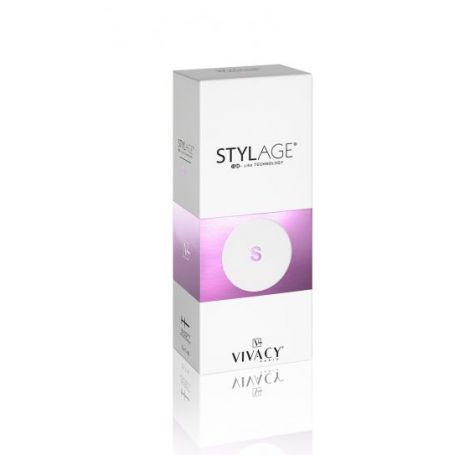
During your consultation, ask questions about the types of Juvederm available, the injection techniques used, expected results, and potential side effects. Understanding the full scope of the treatment and having a clear plan reduces anxiety and ensures you are well-prepared for your appointment. Open communication with your provider is essential for achieving natural-looking results and avoiding unnecessary risks.
What to Expect During the Appointment
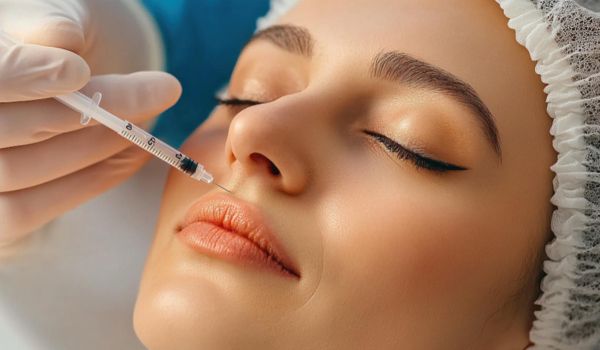
On the day of your Juvederm treatment, your provider will begin by cleansing the treatment area and marking the injection points. Topical numbing agents or ice may be applied to minimize discomfort. The procedure itself is relatively quick, often taking less than an hour depending on the areas being treated. During the injections, you may feel mild pressure or pinching, but most patients find the procedure tolerable.
After the injections, your provider may gently massage the treated areas to ensure even distribution of the filler. Immediate results are typically visible, though minor swelling or redness may occur. Your provider will provide post-treatment instructions and may schedule a follow-up appointment to assess the results and make any necessary adjustments.
Post-Treatment Care and Expectations
Proper post-treatment care is essential for maintaining the results of your Juvederm treatment and minimizing side effects. Avoid touching, pressing, or massaging the treated areas for at least 24 hours, as this can alter the distribution of the filler. Applying ice packs or cold compresses can help reduce swelling and discomfort.
It is also important to avoid strenuous exercise, excessive heat, or alcohol consumption for the first 24 to 48 hours, as these factors can exacerbate swelling or bruising. Most minor side effects, such as redness, tenderness, or slight swelling, typically resolve within a few days. Following your provider’s instructions and attending any scheduled follow-up appointments ensures optimal outcomes and allows for adjustments if needed.
Maintaining a healthy skincare routine and staying hydrated can further enhance the longevity of your Juvederm treatment. While the effects can last several months depending on the specific product and area treated, touch-up treatments may be necessary to sustain the desired appearance. By understanding the recovery process and following expert guidance, you can enjoy the full benefits of your Juvederm treatment safely and effectively.
Proper preparation, a clear understanding of the procedure, and post-treatment care are key to a successful Juvederm treatment experience. By researching the treatment, choosing a qualified provider, and following pre- and post-care instructions, patients can achieve natural, long-lasting results. Taking these steps ensures that your first Juvederm treatment appointment is smooth, effective, and satisfying, setting the stage for enhanced confidence and facial rejuvenation.
Anna Leake is a health blogger that focuses on topics related to nutrition, fitness, and mental health. She was born in New York City but at age 6 moved to the Midwest where she spent her childhood exploring nature with friends and family. Anna graduated from University of Michigan-Ann Arbor with degrees in psychology & human development.